Sundarban Hilsa Festival 2026 Food Culture – Tradition behind every dish
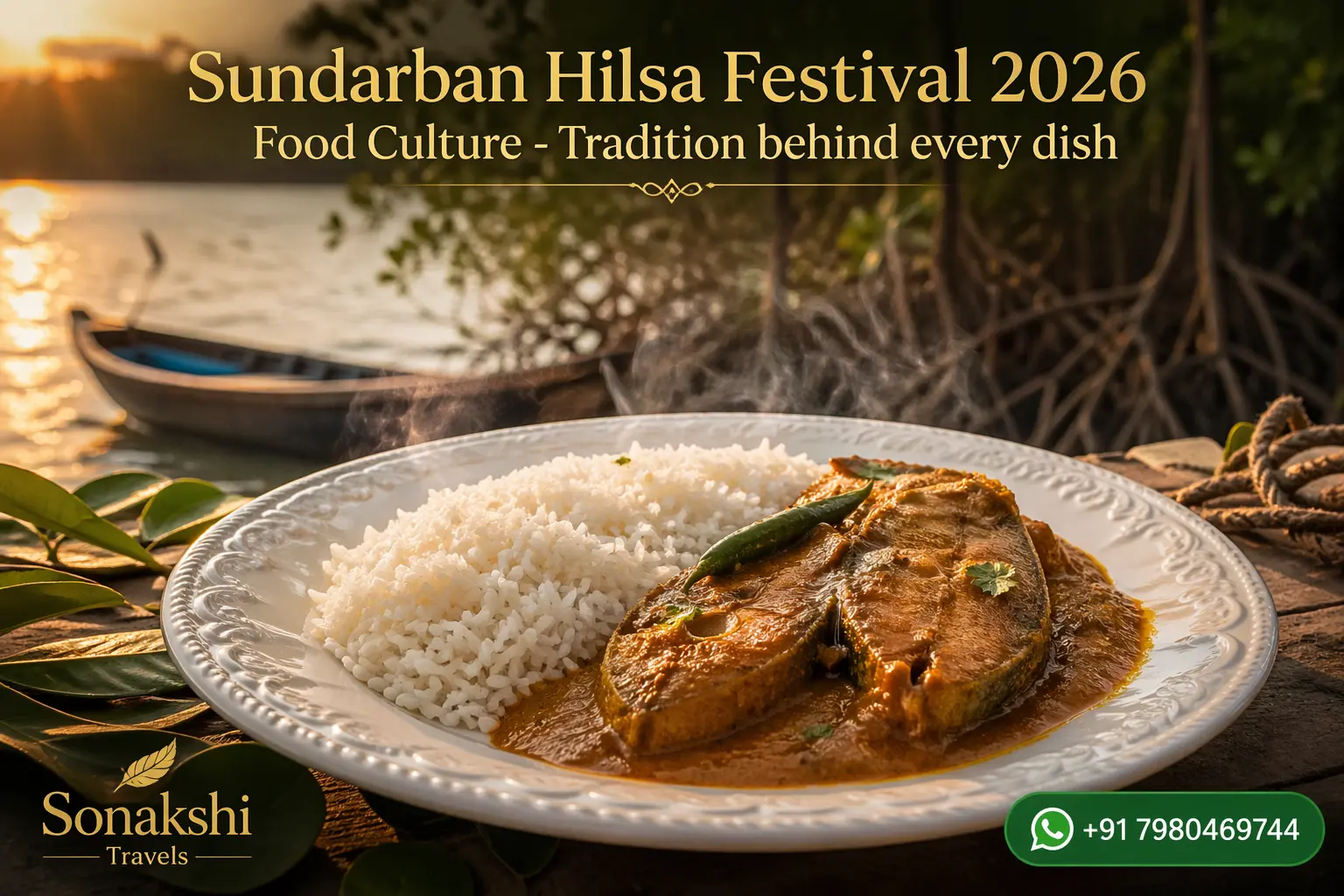
The Sundarban Hilsa Festival 2026 is not only a seasonal food celebration. It is a cultural journey into the life, memory, taste, and river-based tradition of Bengal. Every dish served during this festival carries a story. Some dishes speak about old family kitchens. Some remind people of monsoon afternoons. Some reflect the connection between river, village, boat, market, spice, and community. This is why the food culture of the festival is much deeper than a simple meal.
Hilsa, locally known as ilish, holds a special place in Bengali food culture. It is respected not only for its taste but also for its emotional value. In many Bengali homes, ilish is connected with celebration, guests, rainy season, family gathering, and traditional cooking. During the Sundarban Hilsa Festival, this emotion becomes part of a wider travel experience. Visitors do not only eat fish; they understand why every preparation has meaning.
Why Hilsa Is More Than Food in Bengal
Hilsa is often called the pride of Bengali cuisine. Its rich oil, soft texture, and natural aroma make it different from many other river fish. In Bengal, ilish is not treated like an ordinary dish. It is cooked carefully, served respectfully, and enjoyed slowly. The fish has a delicate taste, so traditional recipes usually avoid unnecessary decoration. The main aim is to protect the natural flavour of hilsa.
In the Sundarban region, the presence of rivers, creeks, tides, and fishing communities gives hilsa a special background. The fish is closely connected with the riverine lifestyle. Fishermen, local markets, home cooks, boat kitchens, and festival organisers all become part of this food chain. This connection makes Sundarban ilish food culture authentic and memorable.
The Tradition behind Every Hilsa Dish
Every traditional hilsa dish has a reason behind its ingredients. Mustard is used because its sharp flavour balances the natural oil of hilsa. Turmeric is used for colour, earthiness, and traditional taste. Green chilli gives freshness without overpowering the fish. Mustard oil is important because it gives the dish a strong Bengali identity. These ingredients are simple, but together they create a deep and emotional flavour.
The beauty of traditional Bengali hilsa recipes lies in their balance. A good cook does not hide the fish under too many spices. Instead, the cook allows the hilsa to remain the hero of the plate. This is one reason why dishes like shorshe ilish, ilish bhapa, ilish jhol, and ilish paturi are still loved across generations.
Shorshe Ilish and the Power of Mustard
Shorshe ilish is one of the most famous hilsa dishes. It is prepared with mustard paste, mustard oil, green chilli, turmeric, and salt. The dish looks simple, but it needs good judgment. If the mustard is too bitter, the dish loses its charm. If the fish is overcooked, the texture becomes weak. A perfect shorshe ilish keeps the fish soft and allows the mustard to create a strong but clean taste.
In the food culture of the Sundarban Hilsa Festival 2026, shorshe ilish represents the classic Bengali kitchen. It reminds visitors that Bengali cooking is not always about heavy spices. It is often about purity, timing, and respect for the main ingredient.
Ilish Bhapa and the Art of Steaming
Ilish bhapa is another important dish where tradition and technique come together. The word bhapa means steamed. In this dish, hilsa is usually cooked with mustard paste, coconut, green chilli, and mustard oil. The steaming process keeps the fish moist and allows the flavours to enter slowly.
This dish reflects the softer side of Bengali cooking. It is rich, but not heavy. It is aromatic, but not loud. During the festival, ilish bhapa often becomes a favourite for guests who want to enjoy hilsa in a refined and traditional way.
Ilish Paturi and the Leaf-Wrapped Memory
Ilish paturi is deeply connected with old-style cooking. In this preparation, hilsa pieces are coated with mustard paste and wrapped in banana leaves before cooking. The leaf gives a gentle aroma and protects the fish from direct heat. When the packet is opened, the smell itself becomes part of the experience.
This dish shows how Bengali food culture uses natural materials with intelligence. Banana leaf is not used only for presentation. It supports the cooking process and adds character to the dish. In a festival setting, ilish paturi gives visitors a clear taste of tradition.
Food Culture of the Sundarban Hilsa Festival
The food culture of the festival is built around season, freshness, local taste, and shared dining. Guests travel to the river delta not only to see the landscape but also to experience the food in its natural mood. Eating hilsa near the river, during the monsoon season, gives the dish a stronger emotional connection.
For a smooth festival experience, travellers should also understand the practical side of the journey. A proper Sundarban ilish utsav travel checklist helps visitors prepare better before enjoying the food, river journey, and seasonal hospitality of the region.
How Rice Completes the Hilsa Experience
Hilsa is rarely enjoyed alone in Bengali culture. Steamed rice is its most natural companion. The soft rice absorbs mustard gravy, fish oil, and light curry beautifully. This combination creates the real comfort of a Bengali meal. Without rice, many traditional hilsa dishes feel incomplete.
In the Sundarban hilsa food experience, rice also brings simplicity to the plate. It does not compete with the fish. It supports the flavour. This is why a plate of hot rice with shorshe ilish or ilish jhol can feel more satisfying than a heavily decorated meal.
The Role of Mustard Oil in Authentic Taste
Mustard oil is one of the most important elements in Bengali cooking. Its strong smell, sharp taste, and golden colour create the base of many hilsa recipes. In hilsa dishes, mustard oil works especially well because the fish has its own natural richness. Together, they create a flavour that is bold but traditional.
Many visitors notice this taste immediately. It may feel strong at first, but it soon becomes the signature flavour of the meal. Without mustard oil, many Bengali ilish dishes lose their true identity.
Seasonal Eating and Monsoon Emotion
The hilsa season is closely linked with rain, river movement, and Bengali food memory. Monsoon weather creates the perfect mood for ilish. The sound of rain, the smell of wet soil, and the sight of rivers make the meal more meaningful. This is why the festival is not only about taste. It is also about season and atmosphere.
During the Sundarban Hilsa Festival 2026, this seasonal emotion becomes part of the travel experience. Visitors can understand how food, weather, and landscape work together. A dish of hilsa feels different when it is served close to the water, among the sounds and colours of the Sundarban region.
Local Cooking and Community Knowledge
The best hilsa dishes are often guided by local knowledge. Local cooks understand how much spice is enough, how long the fish should be cooked, and which preparation suits the season. Their skill comes from practice, memory, and experience rather than from written recipes alone.
This community knowledge is very important in the festival. It protects the real taste of the region. Visitors get a chance to enjoy food that feels connected to local life instead of food that is made only for display. This is what makes authentic Sundarban hilsa cuisine valuable.
Why Simple Dishes Feel So Rich
One special quality of hilsa cooking is that simple dishes often taste the richest. A light ilish jhol with rice can be deeply satisfying. A small piece of fried hilsa can fill the meal with aroma. A mustard-based preparation can leave a strong memory with very few ingredients.
This richness comes from the fish itself. Hilsa has natural oil and a strong flavour. Traditional Bengali cooking respects this quality. The cook does not try to change the fish. The cook only helps the natural taste come forward.
Fried Hilsa and the First Taste of the Meal
Fried hilsa is often served at the beginning of a meal. It is simple but powerful. The fish is usually lightly coated with turmeric and salt, then fried in mustard oil. The result is crisp outside and soft inside. The oil left after frying is also sometimes mixed with rice, creating a strong traditional flavour.
This dish shows how Bengali food culture values small details. Even the frying oil carries taste and memory. For many people, fried hilsa is the first emotional step into a full hilsa meal.
The Importance of Preparation before the Festival Journey
Food enjoyment depends not only on the dish but also on the comfort of the journey. Travellers who come prepared can enjoy the festival more peacefully. The meaning of the slug sundarban-ilish-utsav-travel-checklist-essentials-for-a-smooth-journey is closely connected with this idea. It reminds visitors that a smooth journey helps them enjoy the food, culture, and river experience without unnecessary stress.
Before travelling, guests should understand the seasonal nature of the festival, the river route, weather conditions, food timing, and personal essentials. Reading a proper travel checklist for Sundarban Ilish Utsav can help them prepare for the journey and focus better on the cultural food experience.
Respecting the Dish and the Place
The food culture of the festival also teaches respect. Visitors should respect the fish, the local cooks, the serving style, and the regional traditions. Hilsa is not fast food. It is best enjoyed slowly, with attention. The bones need care, the flavour needs time, and the meal needs patience.
This slow eating style is part of Bengali culture. It allows conversation, family feeling, and appreciation. In the Sundarban setting, this respect becomes even more important because the food is connected with the natural environment and local livelihood.
How the Festival Preserves Bengali Food Identity
Modern food habits are changing quickly, but festivals like this help preserve traditional taste. The Sundarban Hilsa Festival keeps old recipes alive by presenting them to new travellers. It reminds people that real food culture is not only about luxury. It is about memory, place, season, and honest preparation.
When visitors taste shorshe ilish, ilish bhapa, ilish paturi, or fried hilsa during the festival, they are also tasting a part of Bengal’s cultural identity. These dishes carry the habits of many generations. They show how food can connect people to their roots.
Conclusion
The Sundarban Hilsa Festival 2026 Food Culture is a celebration of tradition behind every dish. It brings together hilsa, mustard, rice, monsoon, river life, local cooking, and Bengali emotion. Each preparation has its own story. Shorshe ilish shows the strength of mustard. Ilish bhapa shows the beauty of gentle steaming. Ilish paturi shows the wisdom of natural wrapping. Fried hilsa shows how simplicity can create deep satisfaction.
For travellers, the festival becomes more meaningful when they understand both the food and the journey. A helpful guide such as the Sundarban Ilish Utsav essentials for a smooth journey can support better preparation, while the festival itself offers a rich cultural taste of Bengal. In the end, every hilsa dish served during the festival is more than a recipe. It is a tradition, a memory, and a respectful connection between river, people, and plate.